
BPH treatment and sexual function.
Ejaculation preservation and erectile function are separate concerns. Published studies show TUCBDP preserves both — MSHQ-EjD-SF scores improved post-treatment (Zhou 2022, N=2,050).

Two separate concerns: ejaculation vs. erection
Patients often conflate the two, but they're independent dimensions. A procedure can preserve erections while causing retrograde ejaculation (semen goes backward into the bladder instead of out). Understanding the difference helps you weigh what matters most.
| Procedure | Ejaculation Preserved | Erectile Function | Mechanism |
|---|---|---|---|
| Nexusuro (TUCBDP) | ~95.6% | Stable (IIEF-5 unchanged) | Mechanical dilation |
| UroLift | ~80-90% | Preserved | Mechanical implant |
| Rezūm | ~75-80% | Preserved | Thermal (steam) |
| GreenLight PVP | ~30-40% | Preserved | Laser vaporization |
| TURP | 25-35% | Preserved (ED risk ~6%) | Tissue resection |
Data from published literature. TUCBDP data from Gao et al. (N=265, RE 4.45%) and Zhou 2022 (N=2,050). Competitor data from systematic reviews. TURP ED risk: Porto 2024 (6%).
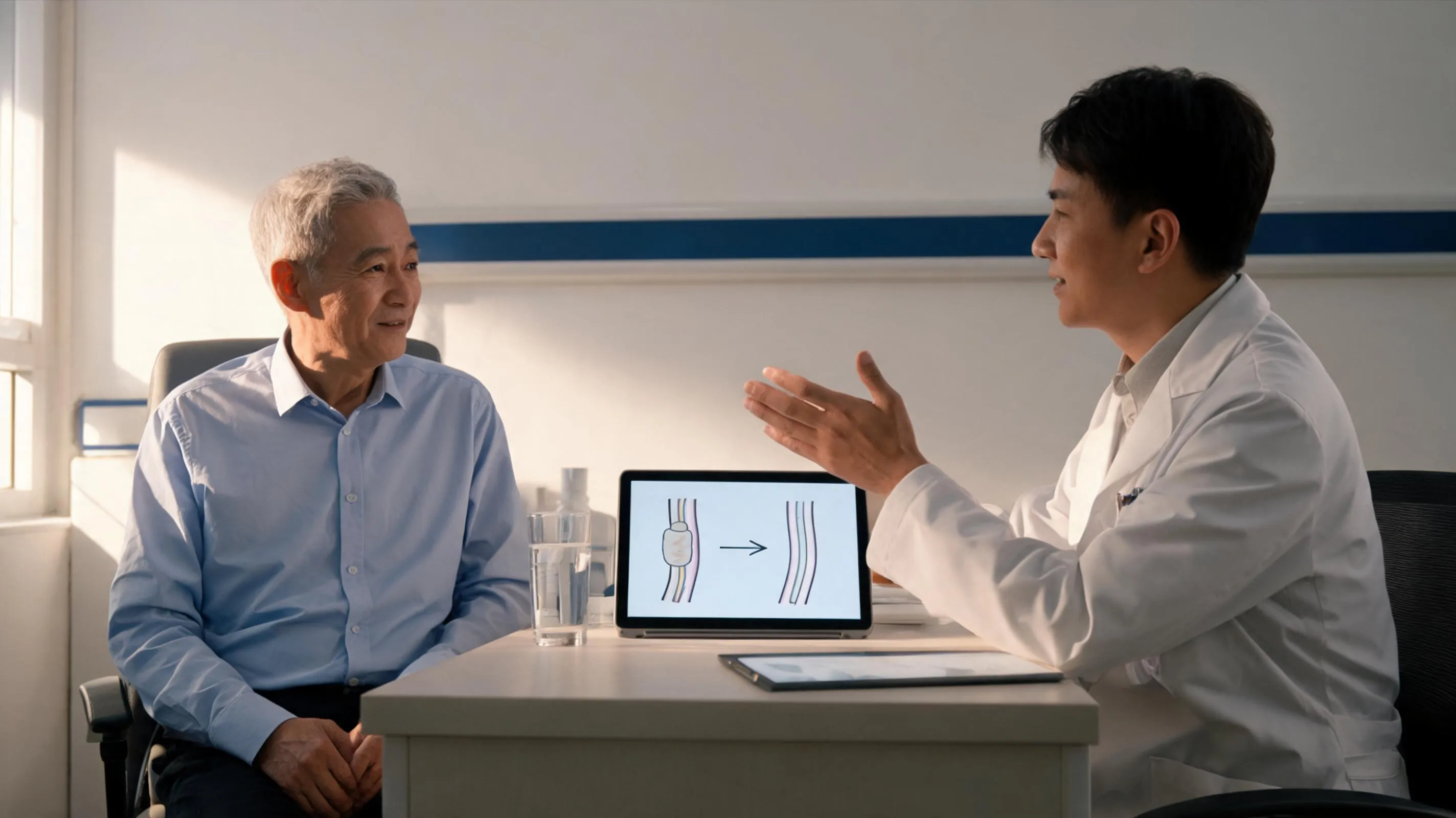
Erectile function: less impact than most patients fear
Most modern BPH procedures — including MIST and TURP — do not significantly increase erectile dysfunction risk. In fact, some men report improved erectile function after treatment, likely because the physical and psychological burden of severe urinary symptoms is lifted. The key differentiator between procedures is ejaculation preservation, not erectile function.
Detailed ejaculation comparison Decision framework Thermal vs non-thermal Patient guide
Sexual function outcomes vary by individual. Data presented from published clinical studies. Discuss your specific concerns with your urologist before choosing a procedure.